September 8, 2026
Excavation machinery plays an important role in construction, land development, utility installation, drainage work, and other projects that require moving or shaping substantial amounts of soil. Modern equipment allows professional crews to complete demanding earthwork with greater control and efficiency than manual labor alone could provide. However, different machines are designed for different types of excavation, grading, lifting, and material handling. Understanding the basic functions of common equipment can help property owners and project managers better understand what to expect from a professional excavating service.
Understanding Excavator Functions
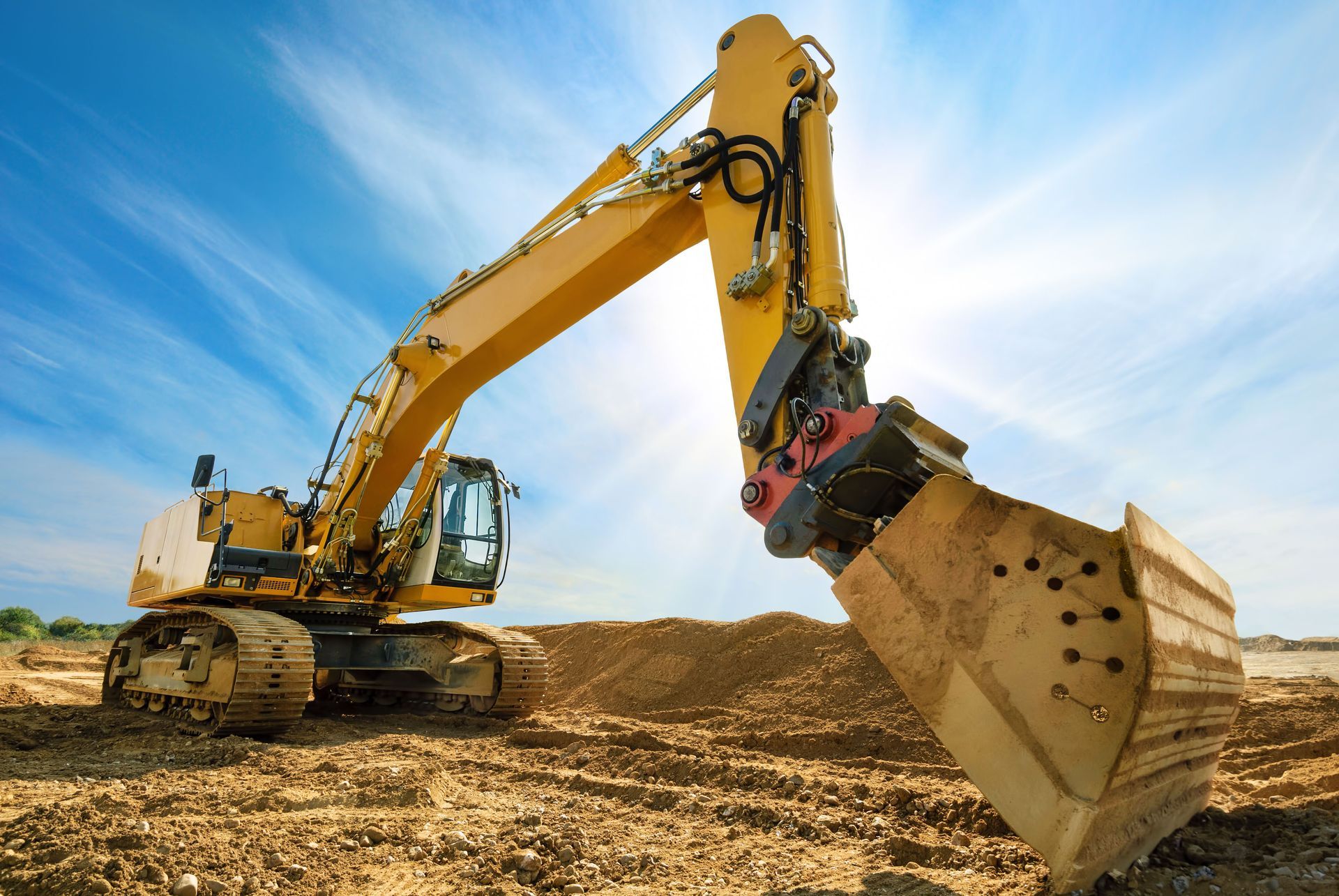
Excavators are among the most recognizable machines used for earthmoving projects. They typically consist of a tracked or wheeled base, a rotating upper structure, a boom, an arm, and an attachment such as a bucket. This configuration allows the machine to reach into areas that may be difficult to access with other equipment. Excavators can be used for digging foundations, trenches, drainage systems, and other below-grade applications.
The size of an excavator can vary considerably depending on the project. Compact excavators are useful where space is limited, while larger machines can handle substantial quantities of soil and heavier materials. An excavating service can select equipment based on the depth, volume, site conditions, and type of material involved. Choosing an appropriately sized machine helps professional crews match equipment capabilities to project requirements.
Exploring Excavator Rotation
One feature that makes excavators particularly versatile is the ability of the upper structure to rotate. According to Heavy Equipment Colleges of America, excavation machines can rotate as much as 360 degrees, whereas diggers generally rotate approximately 220 degrees in either direction. This broad range of movement allows operators to reposition the boom and attachment without repeatedly repositioning the entire machine. The resulting flexibility can be valuable on confined or complex job sites.
Rotation also allows excavators to work efficiently around the machine's established position. Operators can dig, lift, and deposit materials in different directions while maintaining a stable base. An excavating service can take advantage of this maneuverability when working around structures, trenches, foundations, or other obstacles. The exact capabilities depend on the equipment model and operating conditions.
Examining Backhoe Loaders
Backhoe loaders combine two primary functions into one piece of equipment. A front-mounted loader bucket can move soil, gravel, debris, and other materials, while a rear-mounted backhoe attachment can excavate below-grade areas. This combination makes the machine useful for projects requiring both digging and material handling. Backhoes are commonly used for utility work, landscaping, trenching, and smaller construction projects.
The versatility of a backhoe can make it practical when a project does not require the capacity of larger excavators. Operators can switch between functions according to the task being performed. An excavating service may use a backhoe when site conditions and project requirements call for a machine capable of performing multiple functions. Equipment selection remains dependent on factors such as access, material, depth, and required production.
Reviewing Skid Steer Loaders
Skid steer loaders are compact machines known for their maneuverability and ability to work in relatively confined areas. They use a front-mounted attachment system that allows operators to switch between buckets, forks, augers, grading tools, and other specialized equipment. Their compact footprint can make them useful for construction sites, landscaping projects, property improvements, and material handling. Different attachments allow the same machine to perform a variety of tasks.
Skid steers are particularly useful when a project involves moving materials as well as preparing or shaping a site. Their ability to turn within a small area allows operators to work around existing structures and other obstacles. An excavating service can incorporate skid steers into projects where maneuverability and attachment versatility are important. The machine's size and capabilities can be matched to the conditions of the work area.
Identifying Compact Excavators
Compact excavators provide many of the functions associated with larger excavators while occupying less space. Their smaller dimensions can make them useful for residential properties, narrow access points, landscaping areas, and other locations where larger machinery may be difficult to position. They can perform tasks such as trenching, digging, grading, and material handling with appropriate attachments.
Compact equipment can also reduce the amount of space required for machine movement around a project. This can be important when working near buildings, fences, driveways, or established landscaping. A professional excavating service can determine whether compact equipment provides enough reach and digging capacity for a particular application. Equipment selection should account for both the work required and the limitations of the site.
Evaluating Bulldozer Capabilities
Bulldozers are designed primarily for pushing and spreading substantial quantities of soil and other materials. Their wide front blades can move earth across a work area and help establish rough grades. Bulldozers are often associated with large construction and land development projects where substantial amounts of material must be shifted. Their tracked designs also allow them to operate across many challenging surfaces.
Unlike excavators, bulldozers are not primarily intended for digging deep trenches or narrow holes. Their strength lies in pushing, spreading, and shaping material across larger areas. An excavating service may use a bulldozer alongside other equipment when a project involves both excavation and site grading. Combining machines allows each piece of equipment to perform the tasks for which it is specifically designed.
Understanding Wheel Loaders
Wheel loaders are designed to scoop, lift, transport, and place loose materials. Their large front buckets can handle soil, gravel, sand, aggregate, and construction debris. Because the bucket is mounted at the front of the machine, operators can move substantial quantities of material efficiently around a work site. Wheel loaders are particularly useful for projects involving significant material movement.
These machines differ from excavators because their primary function is loading and transportation rather than deep excavation. However, they can complement excavators by moving the materials those machines remove. An excavating service may use wheel loaders when large amounts of soil or aggregate need to be relocated. The combination can improve coordination between excavation and material-handling operations.
Comparing Excavation Attachments
Attachments significantly expand what excavation machinery can accomplish. Standard buckets are commonly used for digging and moving soil, but specialized buckets may be designed for grading, trenching, or other applications. Augers can create holes, hydraulic breakers can work through hard materials, and grapples can handle certain debris or materials. The appropriate attachment depends on the project's requirements and the machine being used.
Professional operators understand that attachment selection affects productivity and precision. Using equipment designed for the task can make it easier to achieve the required excavation profile or material-handling objective. An excavating service can evaluate the project and select compatible machinery and attachments. This helps ensure that the equipment is suited to the materials, dimensions, and conditions involved.
Matching Machinery to Site Conditions
Equipment selection depends heavily on the characteristics of the job site. Soil composition, terrain, available space, access routes, excavation depth, and nearby structures can all affect which machines are appropriate. A large excavator may provide substantial digging capacity but may not be practical in a confined residential area. Conversely, compact machinery may not provide enough reach or capacity for a major commercial excavation.
If you are planning a project that requires professional excavation, our team is ready to discuss your needs. We can evaluate the scope of the work and explain how our excavation capabilities can support your project from start to finish. Contact Toledo Masonry LLC to learn more about our professional excavation services and discuss your upcoming project.