October 9, 2026
Owning a swimming pool in Connecticut is one of the most rewarding investments you can make in your home. It provides a private backyard oasis for summer parties, family gatherings, and tranquil evening swims. However, a swimming pool is also a massive structural undertaking that requires consistent upkeep and vigilant maintenance. According to RubyHome, about 59% of residential pools are in-ground, while 41% are above-ground. For the majority of pool owners who fall into that in-ground category, maintaining the concrete, gunite, masonry, and tile components is paramount to preserving the property's value.
Because in-ground structures are constantly exposed to the elements, shifting soil, and harsh winter freeze-thaw cycles, wear and tear is inevitable. When minor aesthetic issues are ignored, they can quickly snowball into catastrophic structural failures that cost thousands of dollars to fix. Recognizing the early warning indicators of damage is the key to extending the lifespan of your backyard retreat. When you know what to look for, securing a reputable pool repair service early on can save you from the headache of a complete backyard overhaul.
If you are wondering whether it is time to call in professionals, here is a comprehensive guide to the top warning signs that your swimming area requires immediate attention.
1. Structural Cracks
One of the most obvious indicators that your swimming environment is in distress is the appearance of cracks along the walls, floor, or surrounding deck. It is important to distinguish between superficial crazing (tiny, hairline surface cracks in the plaster) and deep structural fissures. Superficial cracks are often a natural result of the curing process or minor temperature fluctuations and may only require a simple cosmetic touch-up. However, large, jagged, or widening cracks indicate a much more severe problem.
In regions like Connecticut, the ground undergoes significant changes throughout the seasons. The freeze-thaw cycle can cause the soil around your concrete shell to expand and contract, putting immense pressure on the structure. If a crack penetrates through the plaster and into the gunite or concrete shell beneath, water will begin to leak into the surrounding soil. This escaping water can wash away the very earth that supports the structure, leading to severe foundational shifts. If you notice a crack that is wider than a pencil, or one that is continuously growing, you must contact a professional pool repair service to evaluate the structural integrity of the shell before the damage becomes irreversible.
2. Unexplained Water Loss
It is perfectly normal for a swimming area to lose a small amount of water due to natural evaporation, splash-out from heavy usage, and routine filter backwashing. During the peak of a hot, dry summer, you might lose up to a quarter-inch of water per day. However, if you find yourself dragging the garden hose out to top off the water level multiple times a week, you likely have a hidden leak.
Because leaks can stem from underground plumbing lines or invisible micro-fractures in the masonry shell, a specialized pool repair service will have the advanced pressure-testing and leak-detection equipment necessary to pinpoint the exact location of the breach and seal it permanently.
3. Deteriorating Plaster
The interior finish of your in-ground swimming area is designed to provide a smooth, waterproof layer over the porous concrete shell. Over time, however, the constant exposure to harsh sanitation chemicals, fluctuating pH levels, and general wear will cause the plaster or pebble finish to degrade. You may begin to notice that the surface feels unusually rough, resembling coarse sandpaper against your bare feet and bathing suits.
In addition to a rough texture, deteriorating plaster often presents as flaking, spalling, or peeling away from the underlying gunite. You might also notice dark, mottled stains that cannot be scrubbed away with a standard brush. When the protective plaster layer breaks down, the structural concrete underneath is left vulnerable to water penetration and chemical erosion. Booking a skilled pool repair service can help you determine whether the surface needs a minor acid wash to remove deep stains or a complete resurfacing project to restore both its waterproof qualities and its pristine, inviting appearance.
4. Broken Edge Tiles
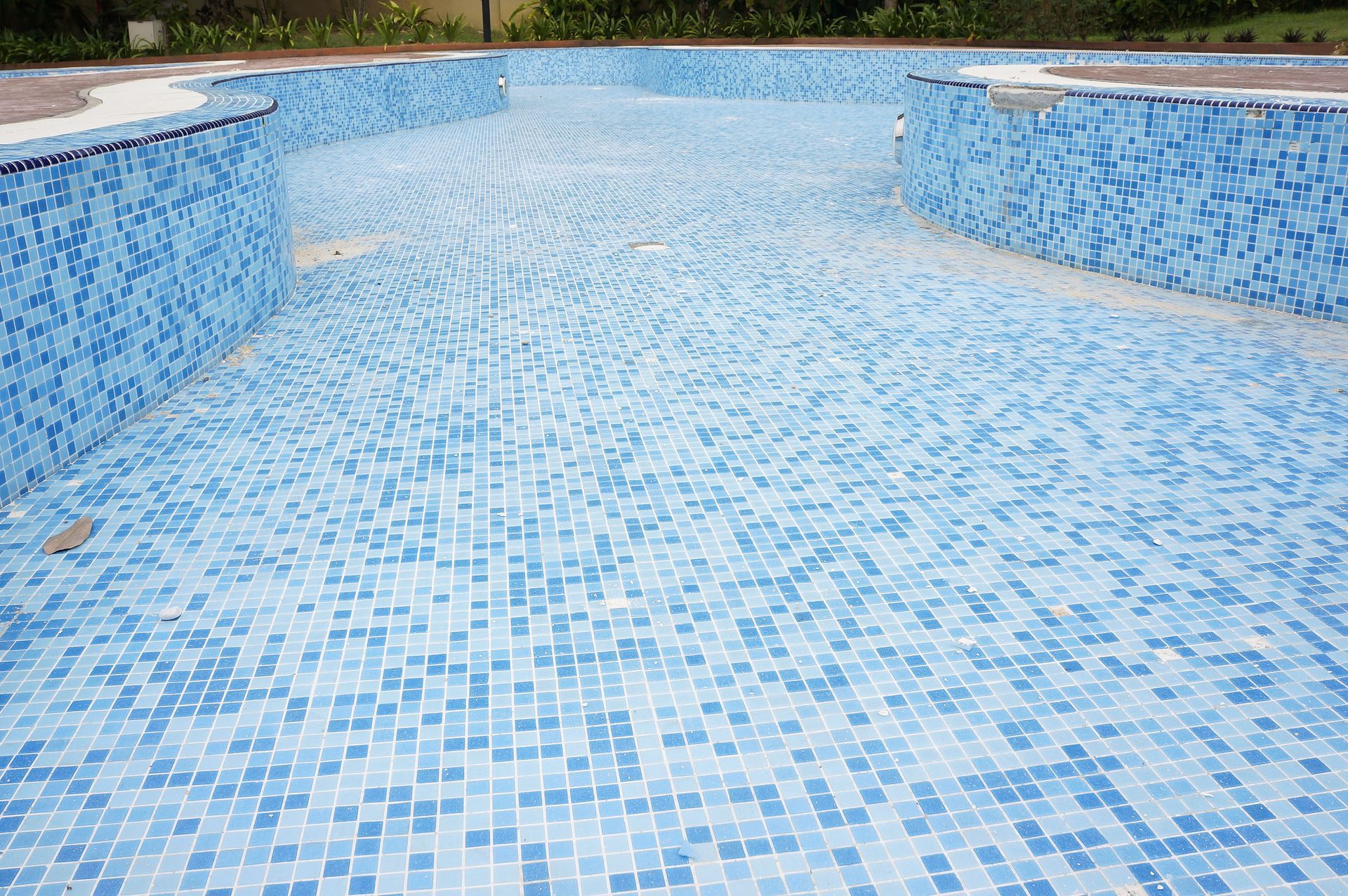
The waterline tile is not just a decorative element; it serves a vital functional purpose. Because the waterline is where oils, sunscreen, pollen, and dirt naturally accumulate, the smooth, glazed surface of the tile makes it much easier to clean than porous plaster. Unfortunately, waterline tiles are highly susceptible to damage, particularly in colder climates. If the water level is not properly lowered during winterization, freezing water can expand against the tiles, cracking them or popping them off entirely.
Missing or fractured tiles are more than just an eyesore. When a tile falls off, it exposes the waterproofing membrane and the underlying mortar to the elements. This allows water to seep behind the remaining tiles, causing a chain reaction where more and more tiles become loose and detach. Furthermore, the jagged edges of broken tiles present a serious cutting hazard to swimmers. Engaging an expert pool repair service ensures that the new tiles are installed with proper, water-resistant masonry techniques, seamlessly blending the repaired section with the rest of your beautiful hardscape.
5. Shifting Pool Coping
Coping is the architectural capstone that borders the very edge of your in-ground shell. Whether it is crafted from elegant bluestone, traditional brick, or custom poured concrete, the coping provides a safe, non-slip edge for swimmers to hold onto and serves to direct splashed water away from the shell and toward your deck drains.
Over time, the mortar joints that hold the coping stones in place can deteriorate due to weather exposure, ground movement, or poor initial installation. When coping stones become loose, they rock back and forth when stepped on, creating a significant tripping hazard right at the water’s edge. Even worse, deteriorated mortar joints allow rainwater and splashed pool water to seep directly behind the pool walls. This trapped moisture can freeze and expand during the winter, causing massive damage to both the deck and the upper bond beam of the shell. Hiring a knowledgeable pool repair service guarantees that your coping is meticulously re-leveled, freshly mortared, and properly sealed by experienced masons to protect the underlying architecture.
6. Rust and Discoloration
While most people associate rust with old metal patio furniture, seeing rust stains inside your concrete swimming area is a major red flag. In-ground concrete and gunite shells are reinforced with a grid of steel rebar hidden deep within the walls and floor. If water manages to penetrate the plaster and reach this steel framework, the rebar will begin to oxidize and rust.
As the steel rusts, it expands. This expansion exerts incredible pressure on the surrounding concrete, eventually causing it to crack and break away—a destructive process known in the masonry industry as "spalling" or "concrete cancer." You will typically first notice this as a localized, stubborn brown or rust-colored stain bleeding through the plaster, often accompanied by a physical bump or blister on the floor or wall. Because this issue originates from deep within the structural framework, scrubbing the stain will do absolutely nothing. Promptly calling a pool repair service is critical; they will need to chip away the affected concrete, treat or replace the rusting rebar, and patch the area with fresh waterproof material before the structural integrity of the entire wall is compromised.
Do not wait for a minor cosmetic flaw to turn into a major structural disaster. Contact Toledo Masonry LLC today to schedule a consultation and ensure your swimming area remains a safe, beautiful, and functional centerpiece of your home for decades to come.